
Excerpt from Normal: A Lifetime of Disabilities, Addictions and Diagnoses
Chapter 1 — “I’m Dying”
I’m dying. Not all at once. Not dramatically. Not in the way people imagine when they hear that word. But I am living with the knowledge that something inside my body is actively working to end my life. And once you know that, dying stops being a distant idea. It becomes something you feel. Something you carry. Something that changes how you move through the world.
In January of 2016, I sat silently in a noisy conference room as a dozen coworkers talked over each other, brainstorming our next big idea. The energy in the room was loud and confident, ideas bouncing across the large oval table, but I felt strangely removed from it all—like I was the only one actually sitting there. I knew a call was coming. I didn’t know exactly when it would come, or what it would say, only that it could change everything. And then it happened, my phone began to buzz. A number I didn’t recognize, but a call I needed to answer. My heart raced as I picked up the phone and quietly snuck out of the room. The rest is a bit of a blur. The short walk to find some sort of privacy in my cubicle was all the time the doctor needed to tell me the news—“you have cancer.” I sat slumped in my office chair, trying desperately to process the news—once again feeling alone and helpless.
In the subsequent months, I would learn that I had Stage III colorectal cancer, along with a malignant neuroendocrine tumor on my pancreas. I endured surgeries, chemotherapy, and radiation—the whole exhausting, demoralizing cycle of treatment. Somehow, I made it through. I rang the bell. I looked forward to brighter days ahead.
The subsequent five years weren’t without challenges. I lived with the long-term effects of cancer and its treatment—side effects that doctors prepare you for medically but not emotionally. But I survived. And I made it to what they call your “cure date”: June 21, 2021. Five years from when the doctors surgically removed the cancer from my body. A day that I had circled, prayed for, visualized.
My wife, Christina, and I celebrated that milestone the way you commemorate a hard-earned victory. We had traveled out west to share this moment with our best friends. A celebratory dinner in downtown Colorado Springs. Good food, stiff drinks and plenty of hugs. It felt like hope. It felt like breathing again. For the first time in years, I thought I could maybe stop looking over my shoulder. We all basked in the glory of what we thought was a long-overdue and well-deserved triumph.
Unfortunately, the victory was short-lived, as just a month later, I had an appointment that would undo it all. One last follow up scan to ensure I was finally in the clear, but something wasn’t right. There were concerning spots on my images that gave my care team cause for trepidation. The pancreas specialist who had removed the small neuroendocrine tumor in 2016 was called in to consult. We sat nervously in the lobby, surrounded by a room full of patients doing the exact same thing, holding onto each other’s hands, as well as hope, waiting for news. We were called into the tiny, sterile office where we were greeted by a small army of medical professionals, and in that moment, I think we already knew what we were about to hear. The neuroendocrine tumor, the one we were told five years ago we shouldn’t have to worry about, had metastasized. My doctors had found twelve lesions (later updated to thirteen) on my liver. Malignant. The cancer was back and this time it was Stage IV.
Metastatic. Incurable. A death sentence without a date.
In some twisted way, it almost feels harder—not having a set date. If I were on death row, at least I’d have a calendar. I’d know the day and time I’d take my last breath. But with this diagnosis, there’s no such clarity. Just an indefinite timeline of treatments, scans, faith, and setbacks. My doctors are doing everything they can to keep pushing that date further into the future. But make no mistake—death is the shadow that now walks beside me.
And yet, strangely and over time, I’ve found peace in that. I’ve reset. I’ve let go of the illusion that we ever really know how much time we have. I’ve become hyper-aware of how precious this life is—not in the cliché way you read on inspirational posters, but in the real, everyday kind of way. A warm hug from my kids. The smell of my wife’s shampoo. Laughing at dumb TV shows together on the couch. These are the moments I’ve learned to savor.
To read the rest of this story — and the journey that follows — stay connected for updates on the full memoir.
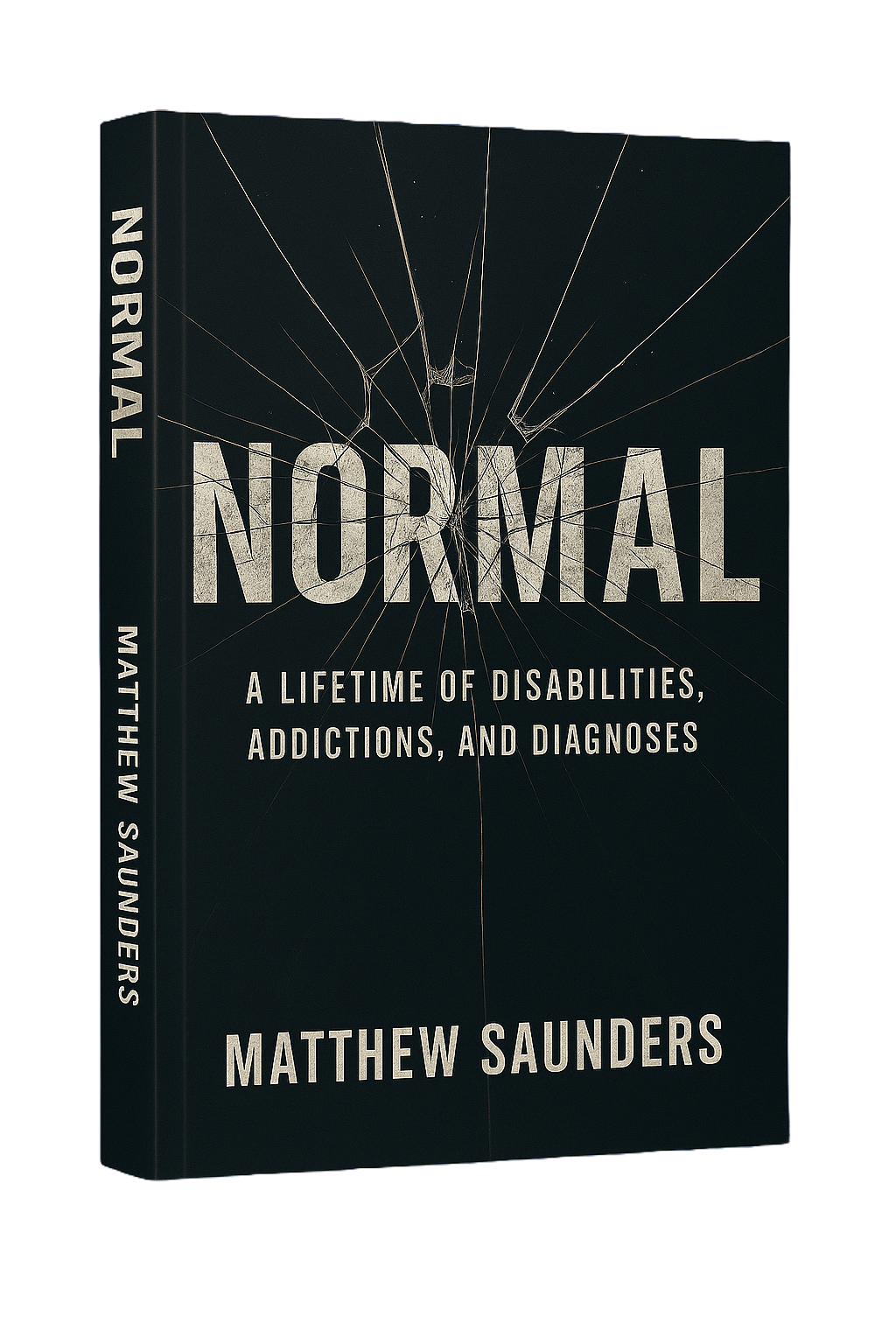
This chapter is only the turning point — the moment the lights flicker, the room goes quiet, and everything I thought I knew about my life collapses in a single breath. What came before this moment was years of love, laughter, struggle, and innocence. What came after was a battle I never asked for but had no choice but to fight. The full story unfolds across hospital rooms, living rooms, sleepless nights, miracles, setbacks, and the people who refused to let me fall. This is the beginning of the storm… not the end of it.